Some useful snippets of technobabble, code and such for the discerning geeks and programmers amongst you.
Geekery
PermalinkThis is the Geekery section. Learn more »
This is the Geekery section. Learn more »
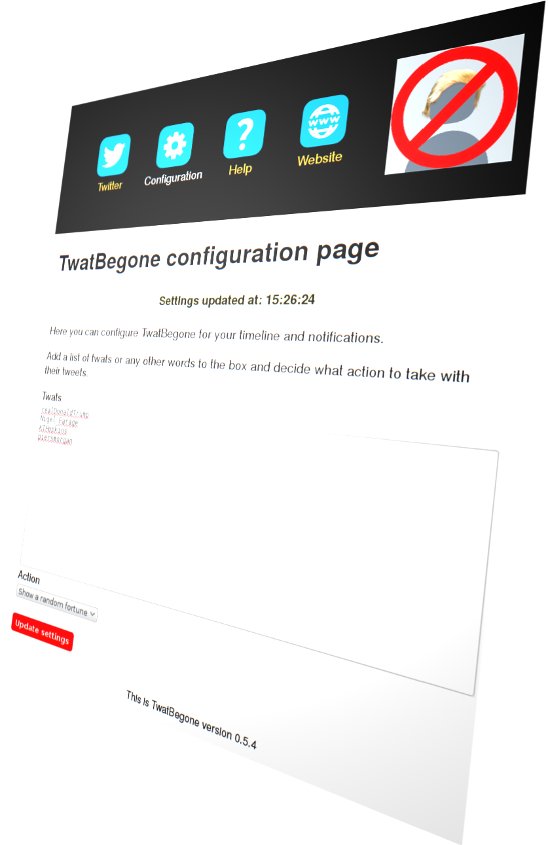
A while ago, my buddy Oxguin was thinking about the blocking on Twitter, specifically because of Donald Trump. What happens, you see, is that when Trump says something twattish, as he is wont to do, all the non-twattish people on Twitter start telling him how much of a twat he is for saying it. …

Here is a quick SSH tip that I only discovered a month or two ago despite years of using SSH on a daily basis. When SSH freezes, as can sometimes happen if the network connection drops, it is possible to kill the connection more elegantly than just by closing the terminal tab (my previous way of dea …
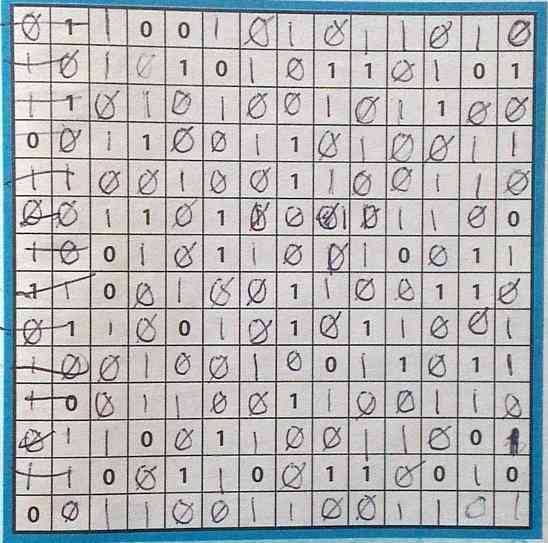
I first came across binary puzzles in early 2013 after finding a book of them in a Belgian supermarket, not long after I first came across Haskell. And I believe that I've now published the first solver for binary puzzles written in Haskell. And it only took 3 years ;-)The puzzles are a little lik …

A few weeks ago, I received an email from Twitterfeed’s founder, a chap called Mario. In unnecessarily jolly prose, it announced the demise of the service which turned RSS feeds into Tweets and recommended moving to dlvr.it or Buffer. We’re writing to let you know that Twitterfeed wi …

Recently, the Debian project announced that they intend to make more of their services available as Tor hidden services. They have added a new package to the repositories making it easy to use Tor hidden services when using apt to upgrade packages.Tor is software that allows better anonymity when …

In recent months, have been slowly working my way through Brian P. Hogan’s 57 Exercises for Programmers in Haskell in my lunch breaks and on bus journeys. You can see the github repo if you’re interested.As I work my way through the exercises, I have been trying to use idiomatic Hask …

One of the cool things about the Elixir language is that you can string functions together from left to right using the so-called pipeline operator |>. I was thinking about it this morning after reading this comment from taylorfausak on reddit. Why flip everything around like that? Write expr …
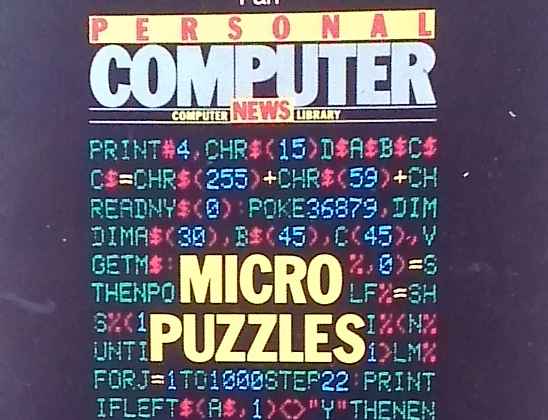
Micropuzzles is a charming book from the early 1980s by a chap called J.J. Clessa. It is a sort of forerunner of Project Euler, containing little puzzles aimed at computer hobbyists who have acquired those newfangled micros and are looking for something challenging to do with their machines.The …

There is fuller documentation of how to set up unattended upgrades on the debian wiki, but it is sometimes nice to have a super-compact cheatsheet for ones own reference. Others may have a use for it too.First thing to do is to install the necessary unattended-upgrades and apt-listchanges packag …

Windows 10 is horrible. Its a bug-ridden privacy invasion fest of the highest order. I realize that many working people are stuck within an abusive realtionship with Redmond and will be forced eventually to upgrade because they need Office 20XX.There is no need to be nagged to upgrade now though …
Sweet blog! I found it while searching on Yahoo
News. Do you have any tips on how to get listed in Yahoo News?
I've been trying for a while but I never seem to get there! Thank you